ChemYou
Sample report — Anna, 3415 June 2026
Get your report →
SAMPLE REPORT — this is an example based on fictional data
Body chemical profile61/ 100

Low ferritin (8 µg/L) and vitamin D (18 ng/mL) account for most of the 39-point gap from 100.

Projected after 12 weeks84 / 100
Key takeaway

Your iron and vitamin D are pulling your energy down — the right foods can fix both in 12 weeks.

Two markers — ferritin and vitamin D — explain most of what you feel day to day: fatigue, slow recovery, low mood in winter. Your B12 and glucose are healthy, which means your body is in a good position to absorb and use the right nutrition quickly. The plan below targets these two deficiencies simultaneously using foods you can find in any Dutch supermarket.

01

Body profile

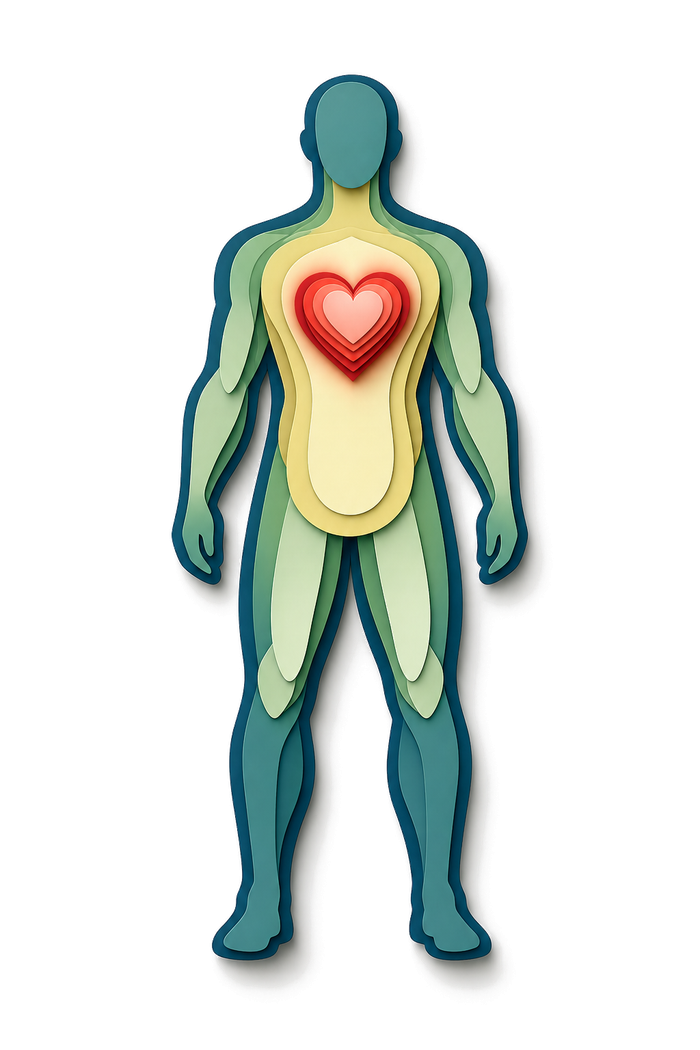
Where each element acts in your body

DeficientWatchNormal

Where each element from your results acts in the body.

B12
Nervous system

430 pg/mL — Your B12 is well within range and supports healthy nerve function and red blood cell formation. Continue with your current diet to maintain this level.

Fe
Blood & heart

8 µg/L — At 8 µg/L your iron stores are critically low. This directly explains persistent fatigue, difficulty concentrating after lunch, and the feeling of being cold when others are not. Your muscles and brain are not getting enough oxygen-carrying capacity.

D
Bones

18 ng/mL — At 18 ng/mL you are in the deficient range. In the Netherlands, sunlight between October and April is too weak to produce vitamin D — you need dietary sources year-round. Low D impairs calcium absorption, immune response, and mood regulation.
02

Key findings

What needs attention now

Below rangeFerritin8 µg/L

At 8 µg/L your iron stores are critically low. This directly explains persistent fatigue, difficulty concentrating after lunch, and the feeling of being cold when others are not. Your muscles and brain are not getting enough oxygen-carrying capacity.

812 weeks to normalise through diet
Below rangeVitamin D18 ng/mL

At 18 ng/mL you are in the deficient range. In the Netherlands, sunlight between October and April is too weak to produce vitamin D — you need dietary sources year-round. Low D impairs calcium absorption, immune response, and mood regulation.

816 weeks to normalise through diet
OptimalVitamin B12430 pg/mL

Your B12 is well within range and supports healthy nerve function and red blood cell formation. Continue with your current diet to maintain this level.

OptimalGlucose4.8 mmol/L

Fasting glucose is healthy. This means your body processes carbohydrates efficiently — an asset when rebuilding iron stores, since stable glucose keeps energy steady throughout the day.

03

Top 5 foods

Practical recommendations

01Chicken liver

The richest source of haem iron available in Dutch supermarkets — directly addresses ferritin of 8 µg/L. Also provides vitamin D and B12.

Once a week, 100 g pan-fried with onion
02Canned sardines

Delivers vitamin D (200 IU per 100 g) and haem iron simultaneously — two deficiencies in one tin. Cheap and available year-round at Albert Heijn.

2–3× per week on roggebrood
03Pumpkin seeds

High in non-haem iron (8 mg per 100 g). Pair with vitamin C foods (tomato, bell pepper) to double absorption.

Daily, a small handful in yoghurt or salad
04Spinach

Provides non-haem iron and folate. Lightly wilting it (not boiling) preserves more iron than raw. Add lemon juice to boost absorption.

4× per week as a side or in a stamppot
05Whole milk fortified with vitamin D

Dutch supermarket milk (AH, Jumbo) is fortified with D3. Two glasses per day contribute ~200 IU and support calcium uptake alongside iron recovery.

2 glasses daily, with breakfast and lunch
04

7-day menu

Tailored to foods available in the Netherlands

05

Sustain the results

Small daily actions that compound

01

Pair iron with vitamin C

Non-haem iron (from plant foods) absorbs up to 3× better with vitamin C. Squeeze lemon on spinach, eat bell pepper with lentils, or drink orange juice with meals containing iron-rich foods.

02

Avoid coffee and tea with meals

Tannins in tea and polyphenols in coffee can reduce iron absorption by 50–90%. Wait at least 1 hour after an iron-rich meal before drinking either.

03

Get outside at midday in summer

Between May and September, 15–20 minutes of midday sun on arms and face can produce meaningful vitamin D. In winter this is insufficient in the Netherlands — rely on food sources and consider a D3 supplement with your GP's guidance.

04

Recheck in 12 weeks

Book a follow-up blood test after 12 weeks of consistent dietary changes. Ferritin typically rises 10–15 µg/L per month with haem-iron-rich eating. Tracking the number keeps you motivated.

Ready to see your own results?

Your report in ~3 minutes.

Upload your blood test and get a personalised plan — just like Anna's, but built around your specific markers.

Start free early access →

This report is for educational and informational purposes only. It is not a medical diagnosis, prescription, or substitute for professional medical advice. Always consult a qualified healthcare provider before making changes to your diet or supplement regimen.